
Top DIY Lawn Care Tips for McLennan County Homeowners
Maintaining a lush, green lawn in McLennan County can be a rewarding experience, enhancing the curb appeal of your home and providing a serene outdoor space. With the right DIY strategies, you can achieve a beautiful lawn without professional help.
Understanding Your Lawn
Before diving into lawn care, it's crucial to understand the type of grass best suited for McLennan County's climate. Common varieties include Bermuda, St. Augustine, and Zoysia. Knowing your grass type will help tailor your care routine for optimal growth.
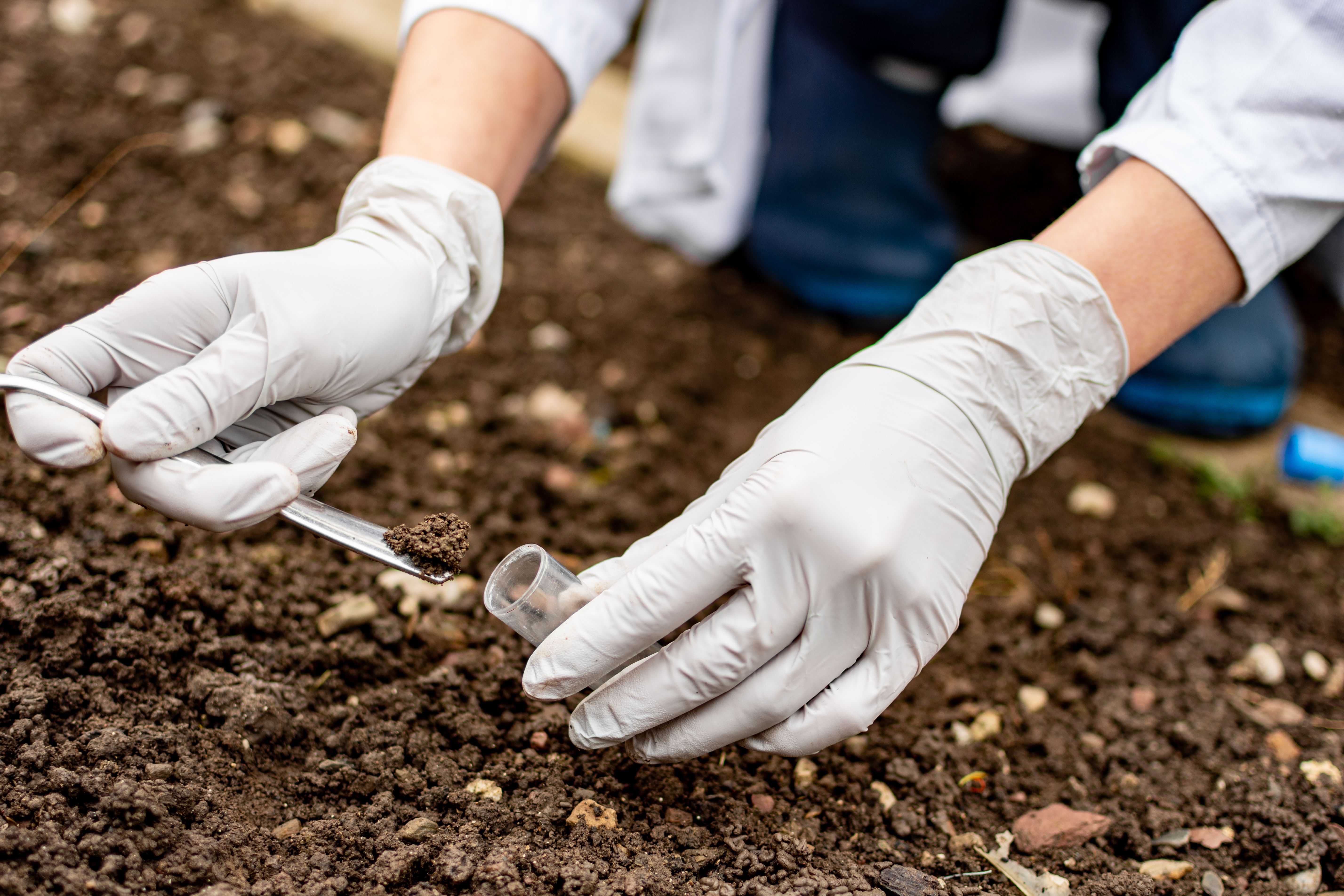
Soil testing is another essential step. Conduct a soil test to determine pH levels and nutrient content, ensuring your lawn receives the right balance of nutrients. You can obtain a test kit from a local garden center or extension office.
Watering Wisely
Proper watering is key to a healthy lawn. In McLennan County, it's best to water your lawn early in the morning or late in the afternoon to minimize evaporation. Aim for deep, infrequent watering to encourage root growth.
A good rule of thumb is to provide about one inch of water per week, whether through rainfall or supplemental watering. Use a rain gauge or a small can to measure how much water your lawn receives.
Mowing Techniques
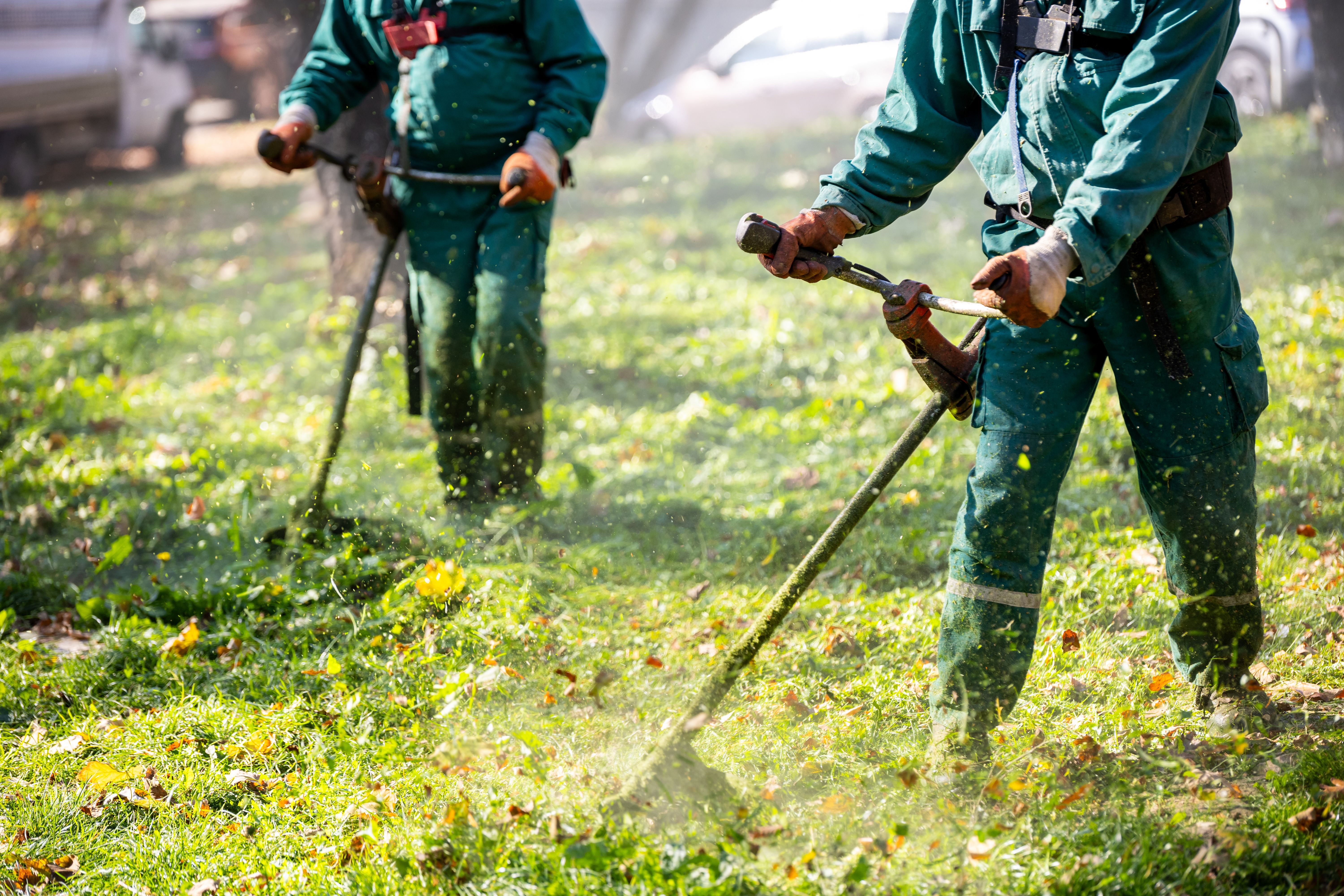
Mowing your lawn correctly can make a significant difference in its health. Keep your mower blades sharp and set them to the recommended height for your grass type. For example, Bermuda grass thrives at a height of 1-2 inches, while St. Augustine prefers 3-4 inches.

Avoid cutting more than one-third of the grass height at a time, as this can stress the lawn and inhibit growth. Regular mowing encourages thick, healthy turf.
Fertilizing Tips
Fertilizing your lawn provides essential nutrients that promote growth and resilience. In McLennan County, it's best to fertilize during the growing season, typically from late spring to early fall.
- Bermuda Grass: Fertilize every 4-6 weeks during the growing season.
- St. Augustine Grass: Fertilize every 6-8 weeks.
- Zoysia Grass: Fertilize every 8-10 weeks.
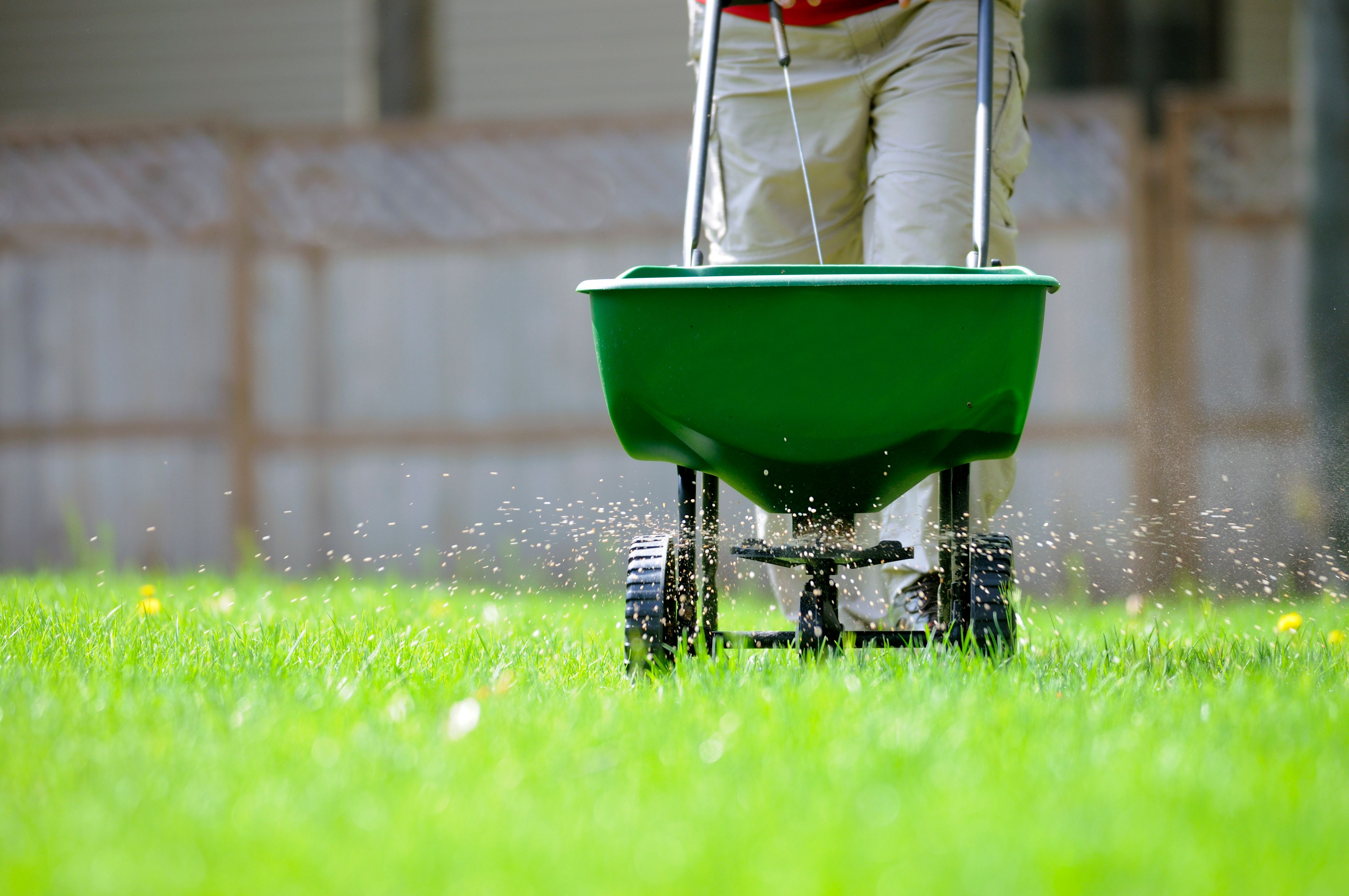
Use a slow-release fertilizer to ensure a steady supply of nutrients. Follow the package instructions carefully to avoid over-fertilization, which can damage your lawn.
Weed and Pest Control
Keeping weeds and pests at bay is crucial for a vibrant lawn. Hand-pulling weeds or using a natural herbicide can effectively manage small infestations. For larger issues, consider a selective herbicide that targets specific weeds without harming your grass.
For pest control, natural solutions like neem oil or diatomaceous earth can be effective. Regularly check for signs of pests, such as discolored patches or visible insects, and address them promptly.
Seasonal Maintenance
Adapting your lawn care routine to the seasons is essential for maintaining its health. In spring, focus on aeration and dethatching to promote growth. During the hot Texas summers, prioritize watering and mowing. Fall is the time to fertilize and prepare your lawn for the cooler months.
By following these DIY tips, McLennan County homeowners can enjoy a thriving lawn that enhances their home's beauty and provides a delightful outdoor space.