
Myths About Lawn Care: What Homeowners in Texas Need to Know
Understanding Lawn Care Myths
Texas homeowners often face a unique set of challenges when it comes to maintaining their lawns. The climate, soil composition, and regional pests all play a role in how you should care for your grass. However, there are numerous myths that can lead to improper lawn care practices. Let's debunk some of these misconceptions.
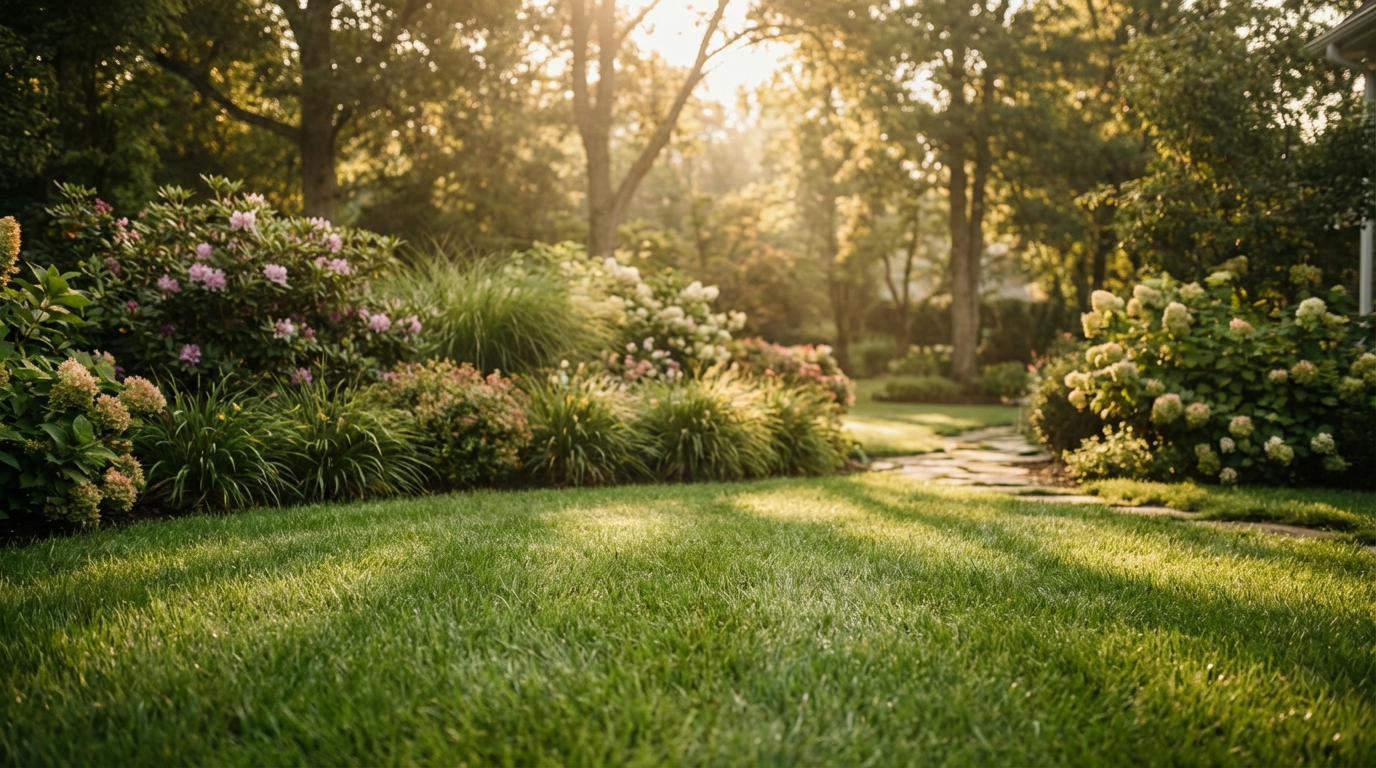
Myth 1: More Water Means a Healthier Lawn
One of the most common myths is that more water will make your lawn greener and healthier. In reality, overwatering can lead to shallow root systems and increase the risk of fungal diseases. Instead, it’s essential to water deeply but infrequently. This encourages roots to grow deeper, making your lawn more drought-resistant.
Myth 2: Fertilizer Should Be Applied Often
While fertilizer is crucial for providing nutrients, too much can harm your lawn. Over-fertilizing can cause excessive growth, making your grass more susceptible to disease and pests. A balanced fertilization schedule, tailored to the specific needs of your grass type, is more effective.
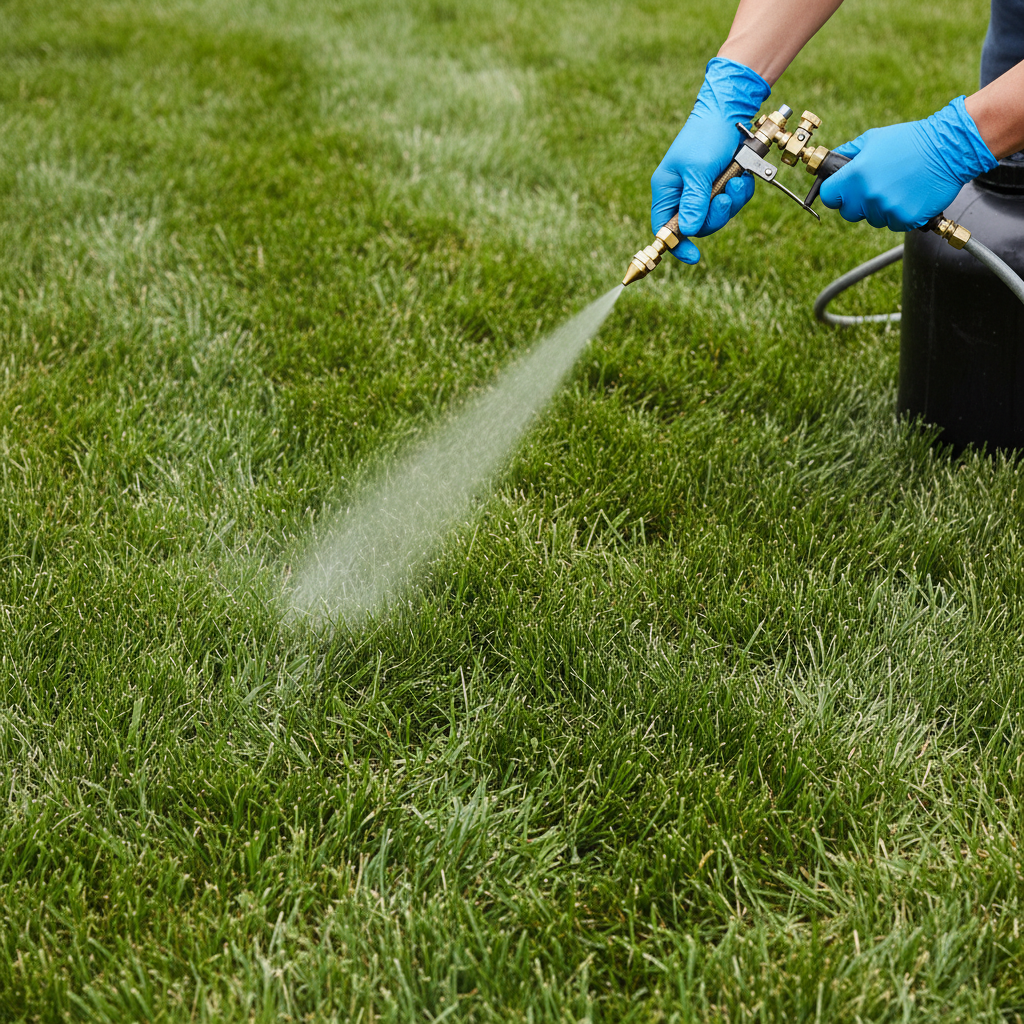
Debunking Common Practices
Many homeowners believe that cutting the grass short means less frequent mowing. However, this practice can stress your lawn, leading to weaker growth. Instead, follow the "one-third" rule: never remove more than one-third of the grass height in a single mow.
Myth 3: All Grasses Are the Same
Not all grass types thrive in Texas. Some homeowners mistakenly choose grass varieties not suited to the local climate. It's crucial to select grasses like Bermuda, Zoysia, or St. Augustine, which are adaptable to the Texas heat and soil conditions.

Myth 4: Weeds Are Inevitable
While weeds can be persistent, they are not an inevitable part of lawn care. A healthy, well-maintained lawn naturally suppresses weed growth. Regular mowing, proper fertilization, and aeration can keep your lawn dense and less hospitable to weeds.
Smart Lawn Care Tips
Understanding and avoiding these myths can lead to a healthier lawn. Implementing smart practices such as soil testing, selecting the right grass type, and following a tailored care schedule can make a significant difference.
By focusing on what your specific lawn needs, rather than following generic advice, you can enjoy a lush, green lawn that enhances your home's curb appeal.