
How to Prepare Your Lawn for the Texas Summer: Expert Tips
As the Texas summer approaches, preparing your lawn to withstand the intense heat and varying weather conditions is essential. With a few expert tips, you can ensure your grass stays lush and green throughout the season.
Choose the Right Grass
Texas' climate demands grass that can handle high temperatures and occasional drought. Consider planting Bermuda, Zoysia, or Buffalo grass, as these varieties are well-suited to the state's environment. Selecting the right grass type is the first step to a resilient lawn.
Additionally, consider overseeding with heat-tolerant grass in the spring to ensure a thicker lawn that can better withstand the summer heat.

Water Wisely
Proper watering is crucial during the Texas summer. It's best to water your lawn early in the morning, between 6 and 10 a.m., to minimize evaporation. This ensures that the water reaches the roots.
Implementing a deep and infrequent watering schedule encourages deeper root growth. Aim for about one inch of water per week, which can be achieved with one or two watering sessions.
Mow at the Right Height
Keeping your grass at the correct height can help it survive the summer. For most warm-season grasses, maintain a height of 2.5 to 3 inches. This height provides enough shade for the soil, reducing evaporation and keeping the roots cooler.
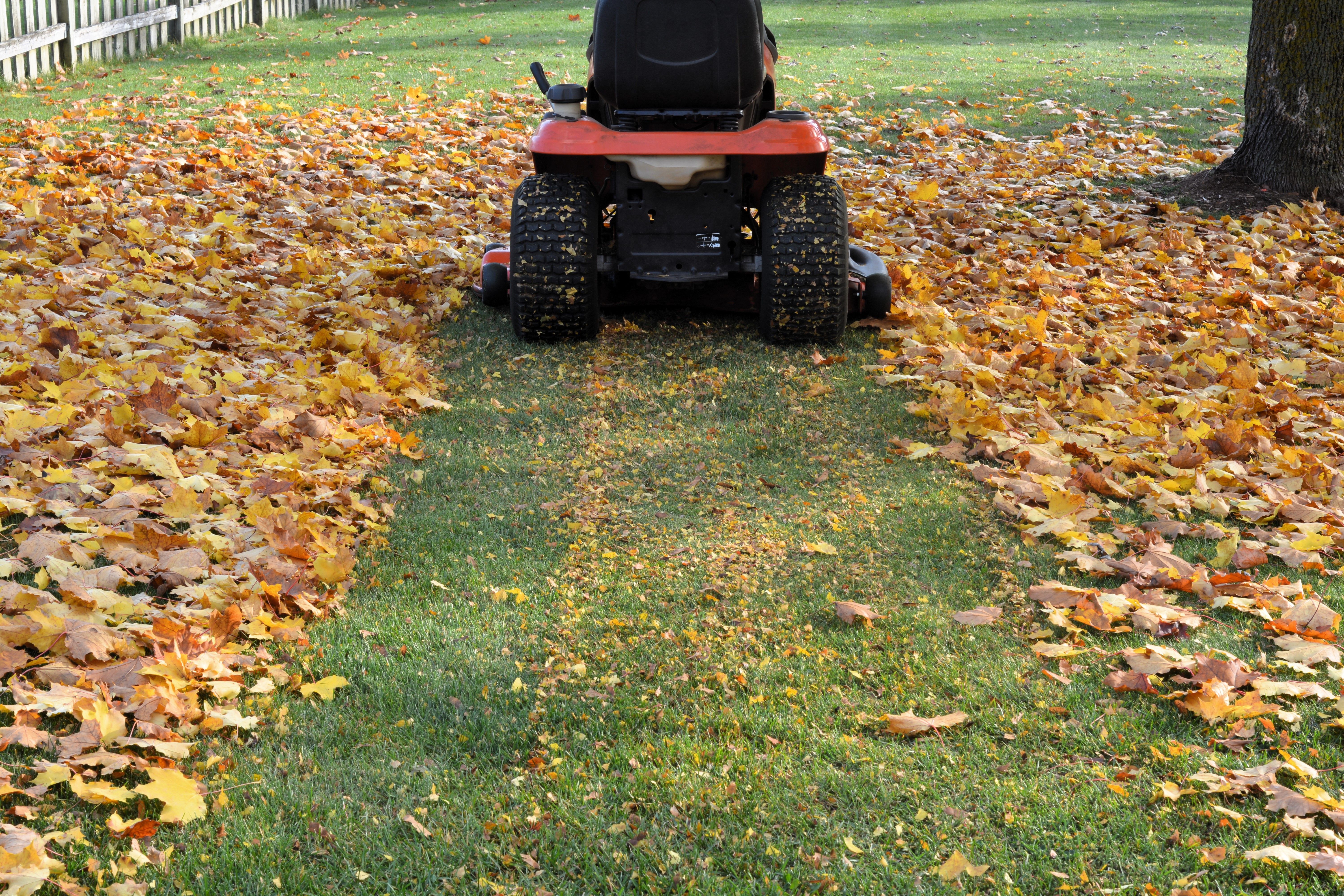
Remember to keep your mower blades sharp to ensure a clean cut, reducing stress on the grass. Additionally, avoid cutting more than one-third of the grass height at a time.
Fertilize Appropriately
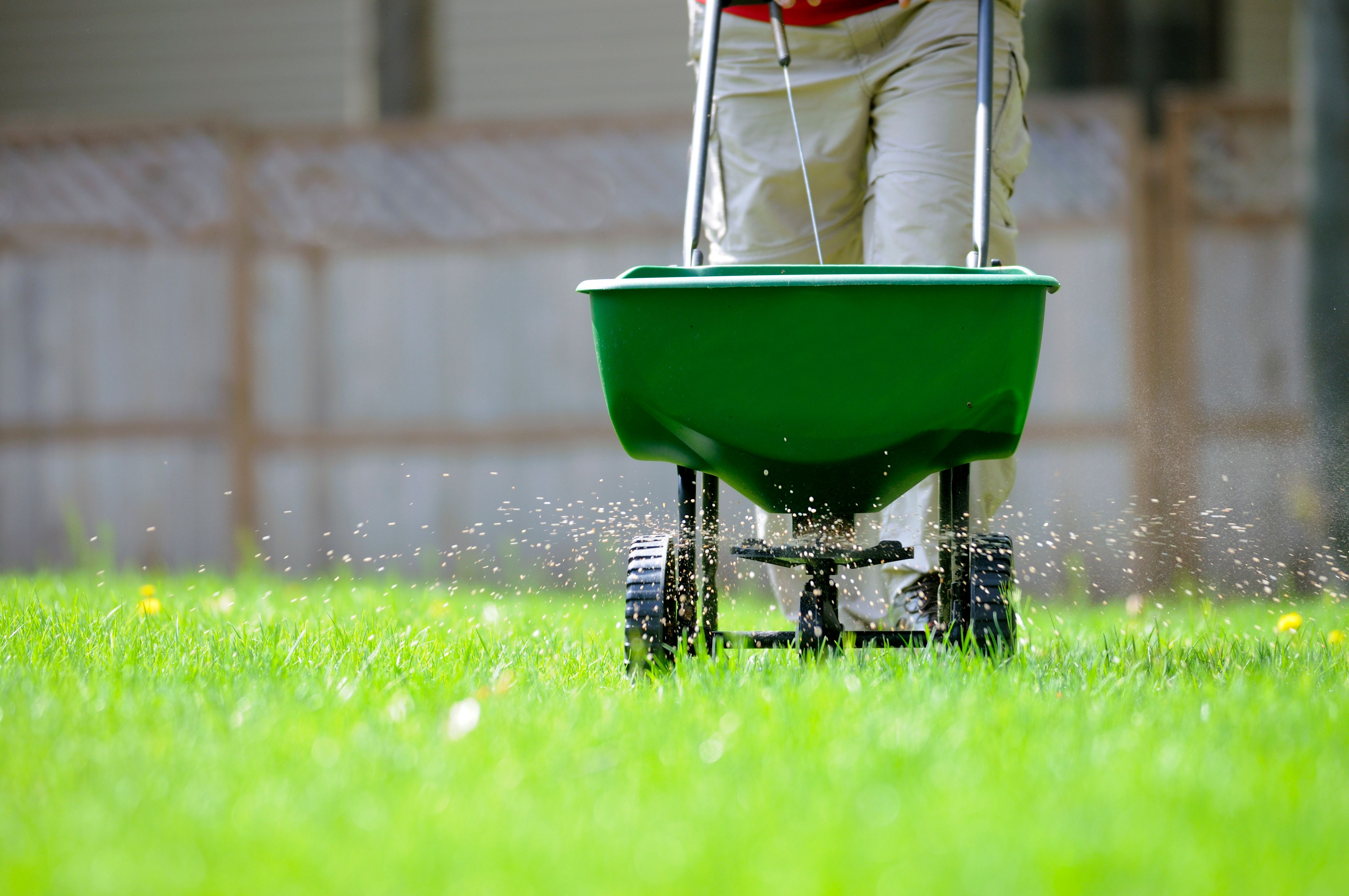
Applying the right fertilizer can give your lawn the nutrients it needs to thrive in the summer heat. Use a slow-release fertilizer designed for summer use, and apply it in late spring or early summer.
Avoid over-fertilizing, as this can lead to excessive growth and increased water needs. Follow the recommended application rates for the best results.
Manage Weeds and Pests
Weeds and pests can be more prevalent during the summer months. Use pre-emergent herbicides in the spring to prevent weeds, and spot-treat any that appear with a post-emergent herbicide.
For pests, monitor your lawn regularly and apply appropriate treatments as needed. Consider natural pest control methods to minimize chemical use.
Aerate and Mulch
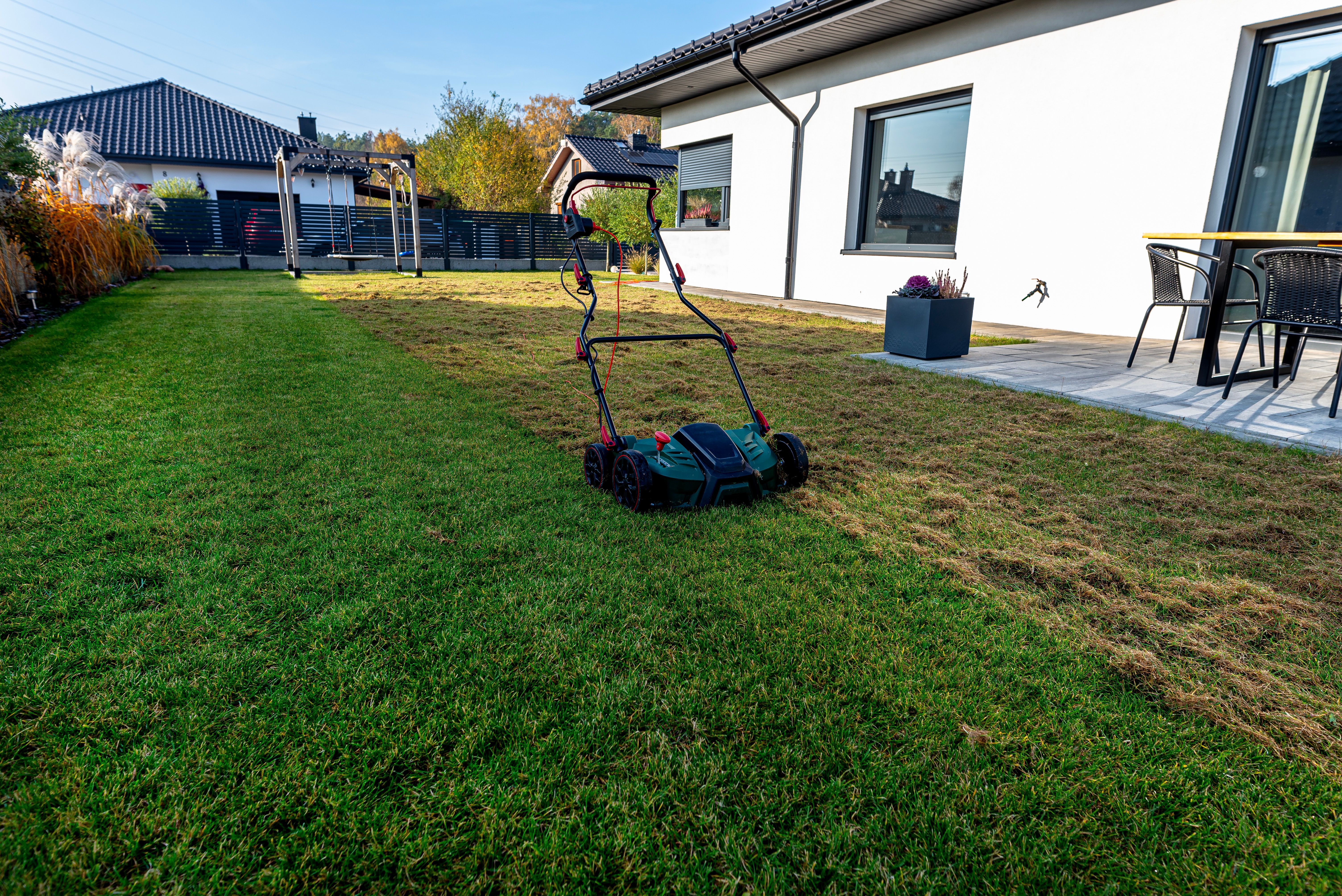
Aerating your lawn in the spring can improve oxygen flow to the roots, enhancing growth and resilience. Use a core aerator for the best results, and follow up with a layer of mulch to retain moisture.
Mulching not only helps with moisture retention but also adds nutrients back into the soil as it decomposes.
By following these expert tips, you can prepare your lawn to handle the challenges of a Texas summer. With proper care and attention, your lawn will remain a beautiful and inviting space throughout the season.