
How Often Should I Mow My Lawn? A Complete Guide for Texas Homeowners
Understanding Texas Grass Types
When it comes to determining how often you should mow your lawn in Texas, the type of grass you have is a crucial factor. Common grass types in Texas include Bermuda, St. Augustine, and Zoysia. Each has its own growth patterns and mowing needs.
Bermuda grass thrives in warm climates and requires frequent mowing, especially during the peak growing season. St. Augustine, on the other hand, grows best in shaded areas and may need less frequent cuts. Zoysia grass is dense and slow-growing, often requiring less frequent mowing.
Seasonal Mowing Schedules
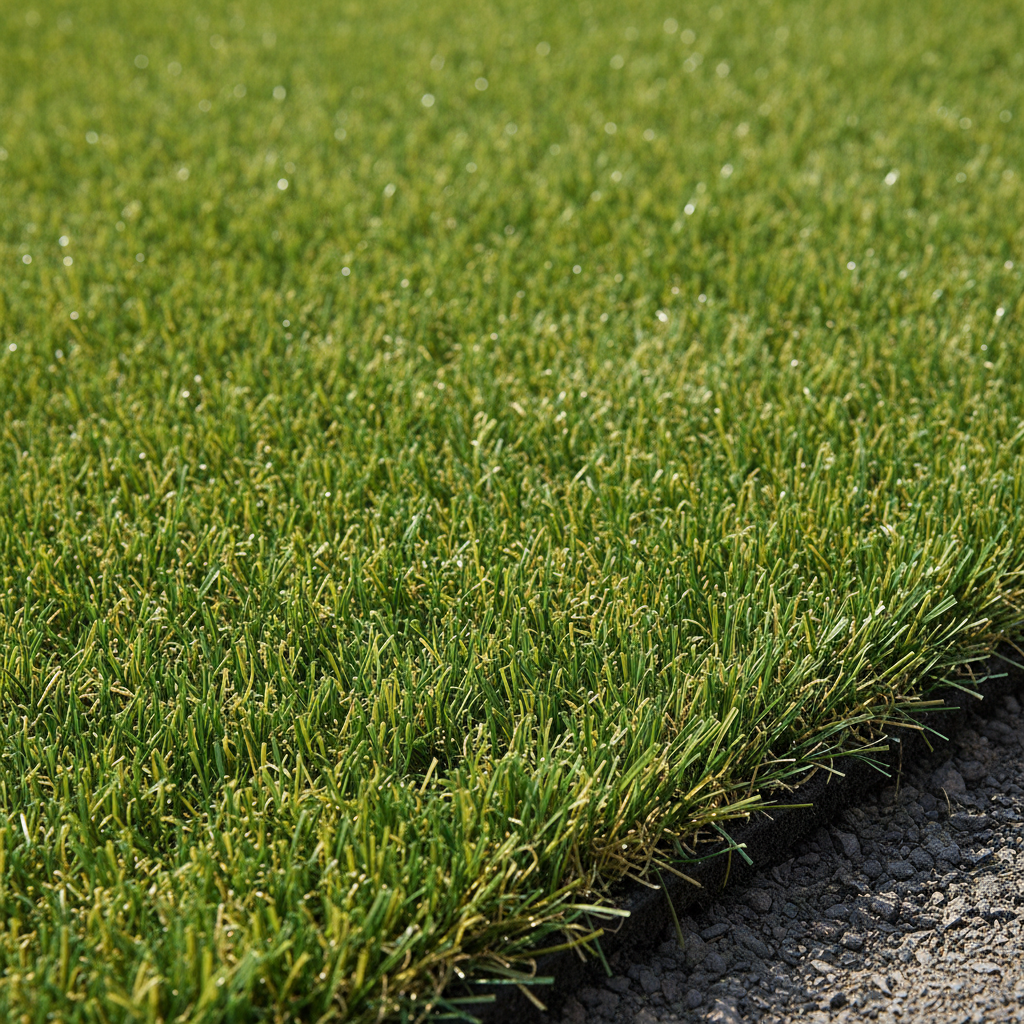
Texas homeowners should adjust their mowing schedules according to the season. During spring and summer, when grass growth is at its peak, you might need to mow your lawn every 5 to 7 days. In contrast, fall and winter typically require less frequent mowing, possibly every 10 to 14 days, depending on rainfall and temperature.
It's important to remember that over-mowing can stress the grass, so finding a balance is key. Adjust your schedule based on how quickly your grass grows.
Optimal Mowing Height
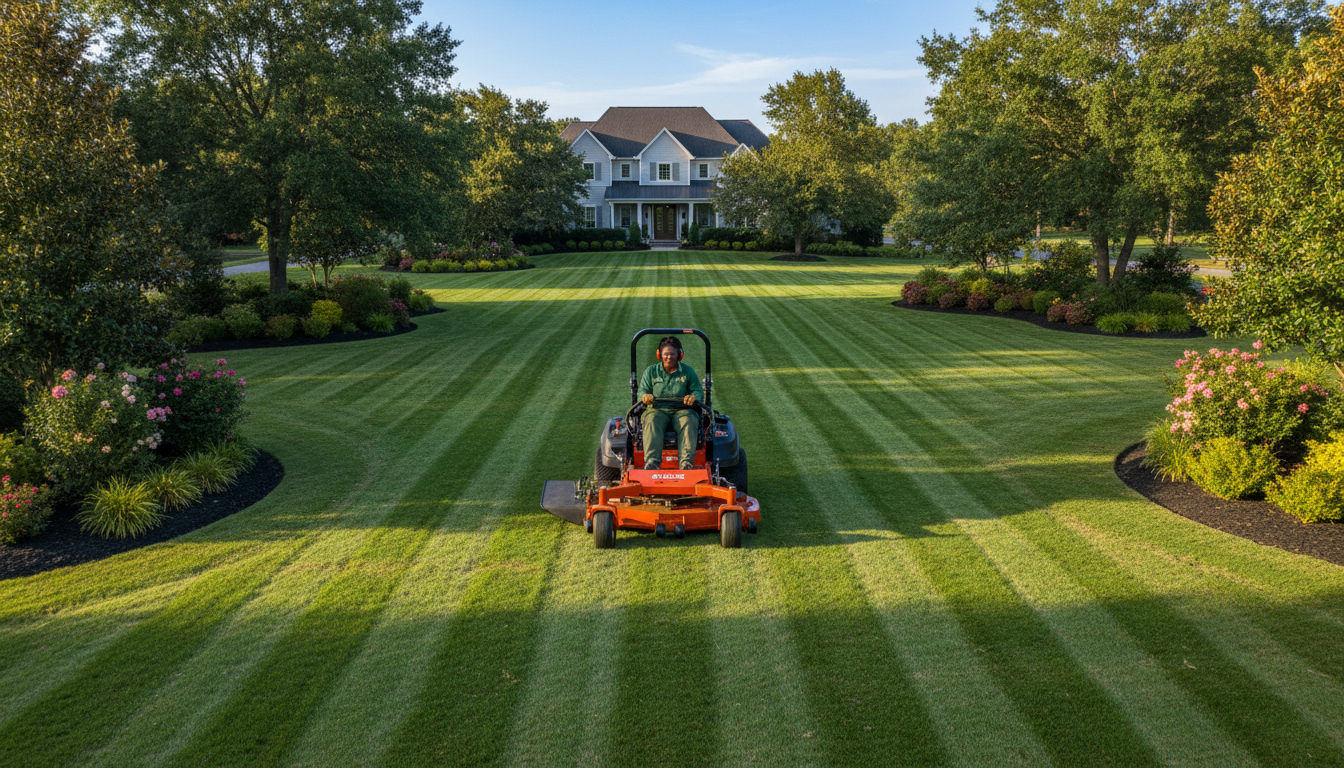
Maintaining the right mowing height is essential for a healthy lawn. For Bermuda grass, keep the height between 1.5 to 2 inches. St. Augustine generally does well at 2.5 to 4 inches, while Zoysia should be kept around 1 to 2 inches. Cutting too short can damage the grass and encourage weed growth.
Always aim to cut no more than one-third of the grass blade at a time. This practice helps prevent stress and promotes a more robust lawn.
Tools and Techniques
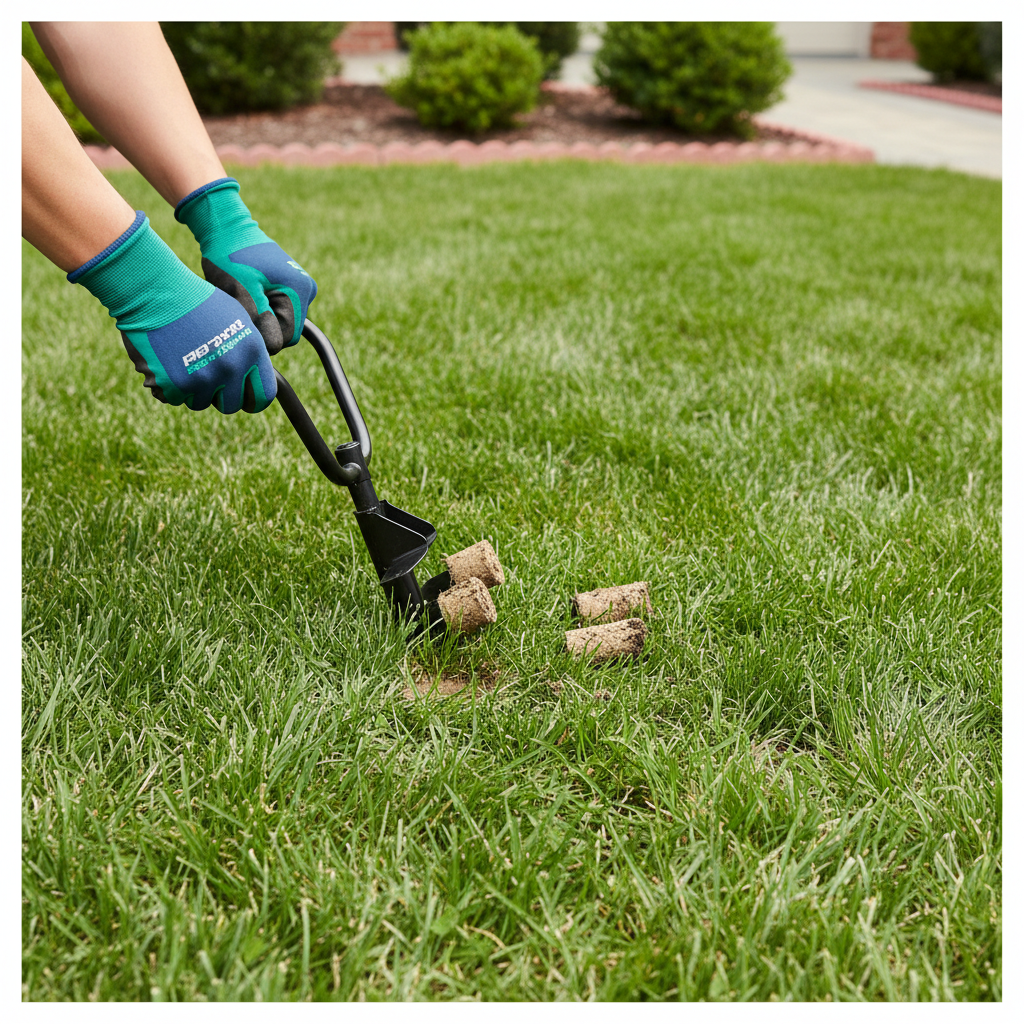
Using the right tools and techniques can make a significant difference in your lawn care routine. A sharp mower blade ensures clean cuts, preventing damage to the grass. Regularly check and maintain your equipment for optimal performance.
Consider varying your mowing pattern each time to prevent soil compaction and promote even growth. This simple change can lead to a healthier and more attractive lawn.
Dealing with Drought Conditions
Texas often faces drought conditions that can affect how often you should mow. During dry spells, it's best to mow less frequently and keep the grass a bit longer to shade the roots and retain moisture. Longer grass blades also help reduce evaporation and improve drought resistance.
If water restrictions are in place, adjust your mowing practices accordingly to maintain lawn health without excessive water use.
Conclusion
Understanding the specific needs of your lawn in Texas is essential for maintaining a lush, healthy landscape. By considering grass type, seasonal changes, optimal mowing height, and local weather conditions, you can develop a mowing schedule that keeps your lawn in top condition. Remember, a well-maintained lawn not only enhances your home's curb appeal but also provides a pleasant outdoor space for you and your family to enjoy.