
Expert Tips for Designing a Water-Efficient Garden in McLennan County
Creating a water-efficient garden in McLennan County is not only environmentally friendly but also essential for thriving in Texas's hot climate. By adopting smart gardening practices, you can save water and create a lush, beautiful space. Here are some expert tips to get you started.
Understanding Your Soil
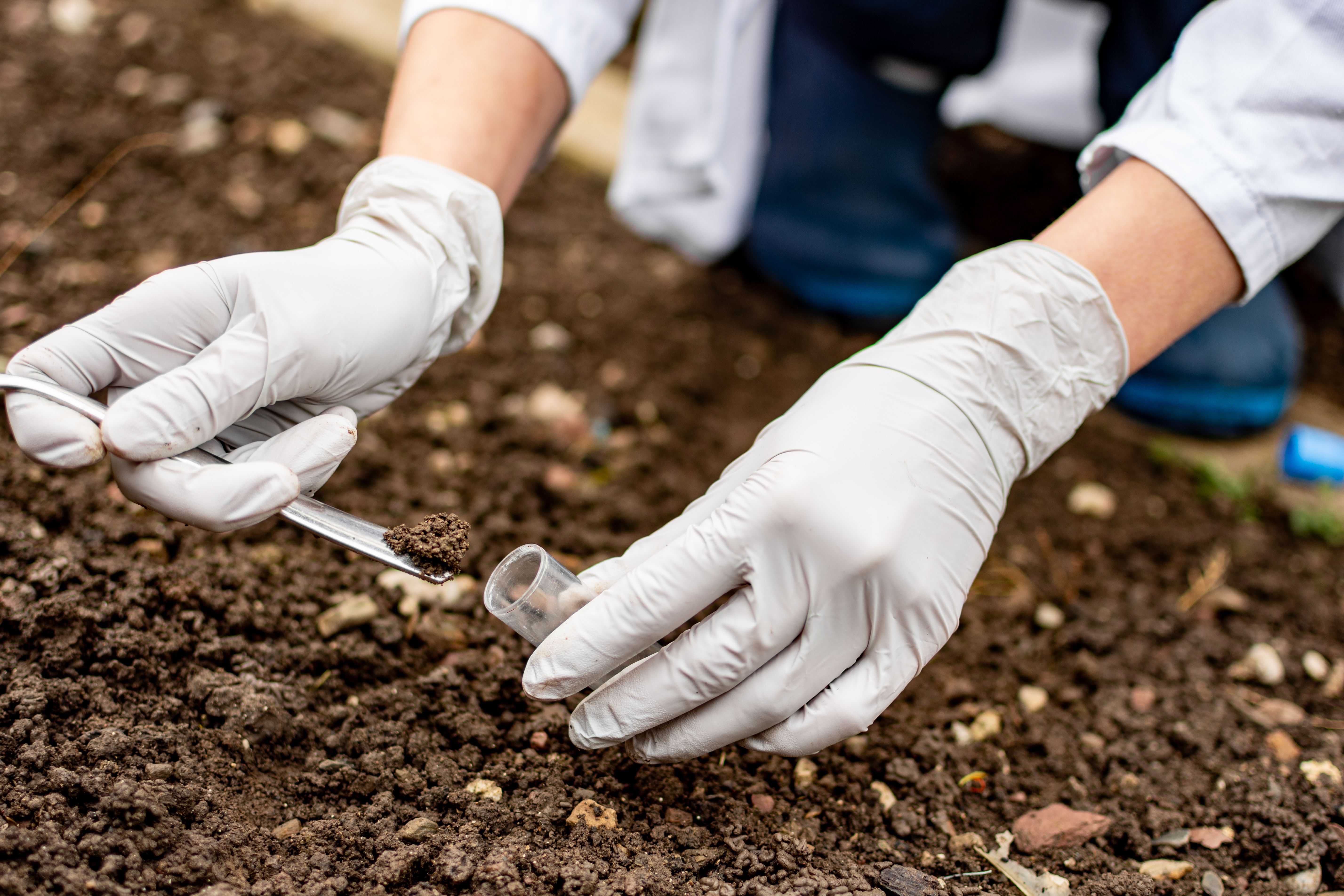
Before planting, it's crucial to understand the type of soil in your garden. McLennan County's soil can vary, so conducting a soil test will help you determine its composition. Knowing whether your soil is sandy, clay, or loamy will guide your plant selection and watering practices.
A well-prepared soil retains moisture better, reducing the need for frequent watering. You can improve soil quality by adding organic matter such as compost or mulch, which enhances water retention.
Choosing the Right Plants
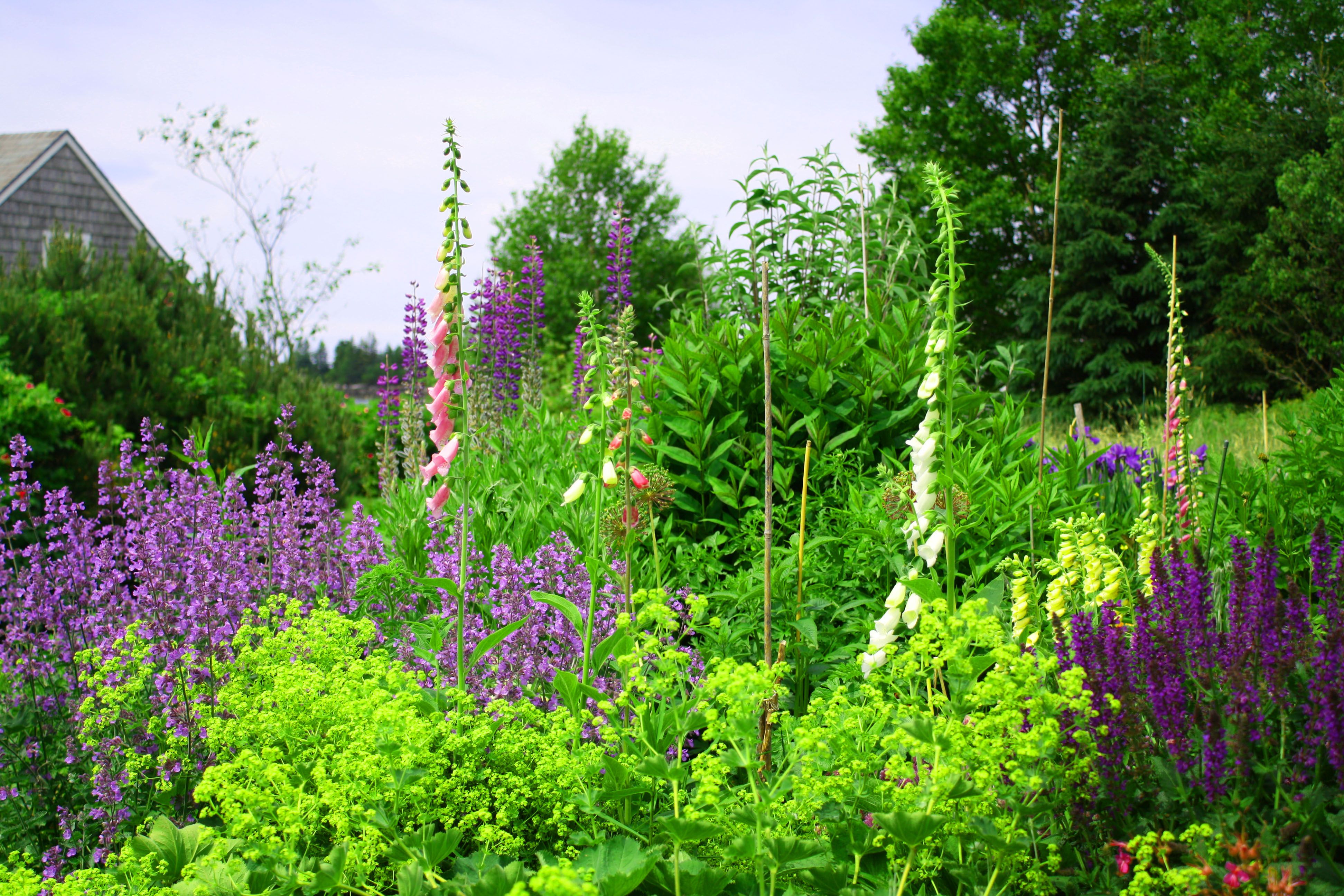
Selecting native and drought-resistant plants is key to a water-efficient garden. Native plants are adapted to local conditions and require less water. Consider species like Blackfoot Daisy, Texas Sage, and Autumn Sage, which thrive in McLennan County's climate.
Drought-resistant plants are designed to survive with minimal water. These plants usually have deep root systems that access underground moisture, reducing the necessity for regular irrigation.
Smart Irrigation Techniques
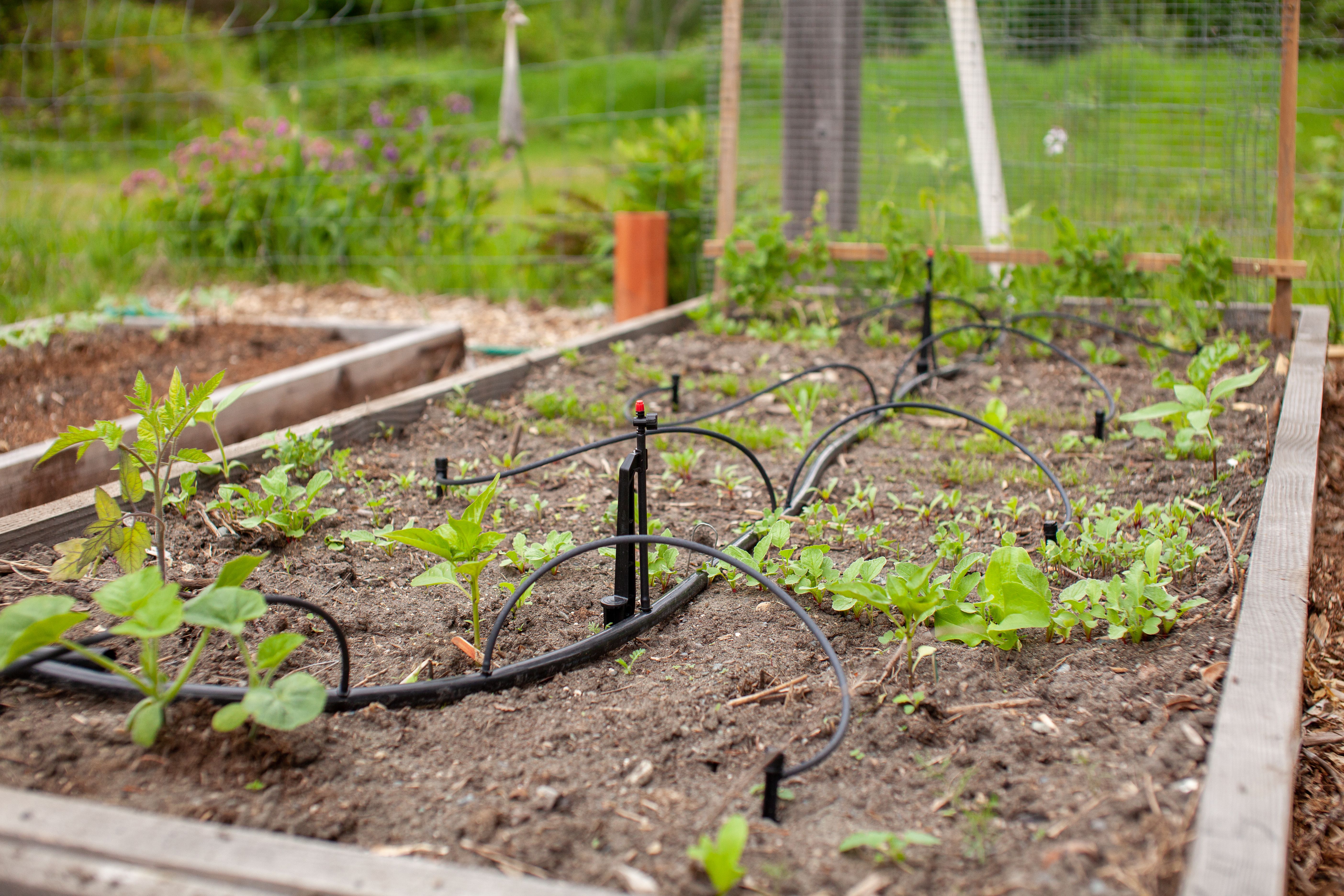
Efficient irrigation is crucial for water conservation. Drip irrigation systems are highly effective, delivering water directly to the plant roots and minimizing evaporation. Likewise, soaker hoses can help maintain consistent soil moisture.
Watering early in the morning or late in the evening reduces evaporation, ensuring that more water reaches the plants. Avoid watering during windy conditions, as this can lead to uneven distribution.
Mulching for Moisture Retention
Applying mulch around your plants is a simple yet effective way to conserve water. Mulch acts as a barrier, reducing evaporation and keeping the soil temperature stable. It also suppresses weeds, which compete with your plants for water.
Organic mulches like wood chips or straw are excellent choices. They break down over time, enriching the soil with nutrients.
Designing with Water Efficiency in Mind
When planning your garden, consider grouping plants with similar water needs together. This technique, known as hydrozoning, allows for more precise watering and reduces waste.
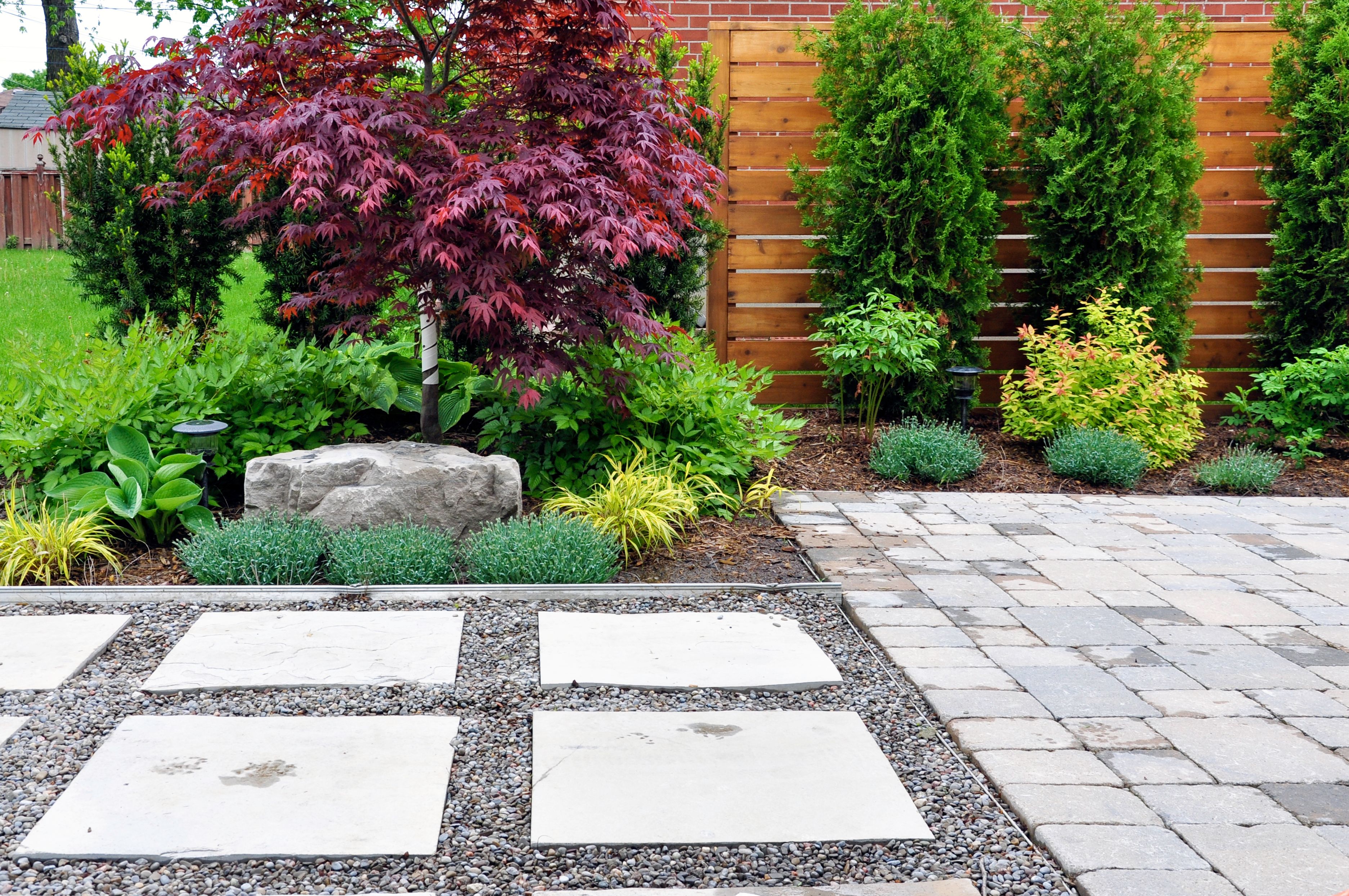
Incorporate hardscaping elements like gravel paths or stone patios, which require no water and add visual interest to your garden. These features can also help direct rainwater to plant beds.
Regular Maintenance
Consistent garden maintenance is vital for water efficiency. Regularly check your irrigation system for leaks and ensure it's adjusted according to seasonal changes. Pruning and deadheading plants encourage healthy growth and reduce water consumption.
Weed control is essential, as weeds can absorb significant amounts of water. By keeping your garden tidy, you ensure that water resources are directed towards your plants.
By following these expert tips, you can create a sustainable, water-efficient garden that flourishes in McLennan County's climate. Not only will you conserve water, but you'll also enjoy a vibrant and thriving outdoor space.