
Common Lawn Care Myths Debunked: An Expert’s Guide
Understanding Lawn Care Myths
Maintaining a lush, green lawn can be a source of pride, but it's often surrounded by a myriad of myths. These misconceptions can lead to wasted effort and resources. In this guide, we'll debunk some of the most common lawn care myths and provide expert insights to help you achieve a healthy lawn.
One prevalent myth is that watering your lawn every day is essential for its health. In reality, frequent shallow watering can lead to weak root systems. Instead, it's best to water deeply but less often, encouraging roots to grow deeper and making your lawn more drought-resistant.

The Truth About Fertilizers
Another common belief is that more fertilizer equals a greener lawn. While it's true that nutrients are vital, over-fertilizing can harm your lawn and the environment. Excess fertilizer can lead to nutrient runoff, polluting nearby water sources.
It's important to use the right type and amount of fertilizer for your specific grass type. A soil test can provide insights into what nutrients your lawn actually needs, helping you avoid over-fertilization and promote sustainable lawn health.
Mowing Misconceptions
Many people think that cutting grass short means mowing less often. However, cutting too short can stress the grass and lead to a patchy lawn. The rule of thumb is to never cut more than one-third of the grass height in a single mow.
Proper mowing practices, such as keeping mower blades sharp and varying mowing patterns, can improve lawn health and appearance. These simple adjustments can prevent disease and encourage even growth.

Weed Control Clarifications
There's a widespread myth that all weeds need to be removed immediately. While some weeds can be invasive, others might not harm your lawn. Identifying the type of weeds present can help determine the best course of action.
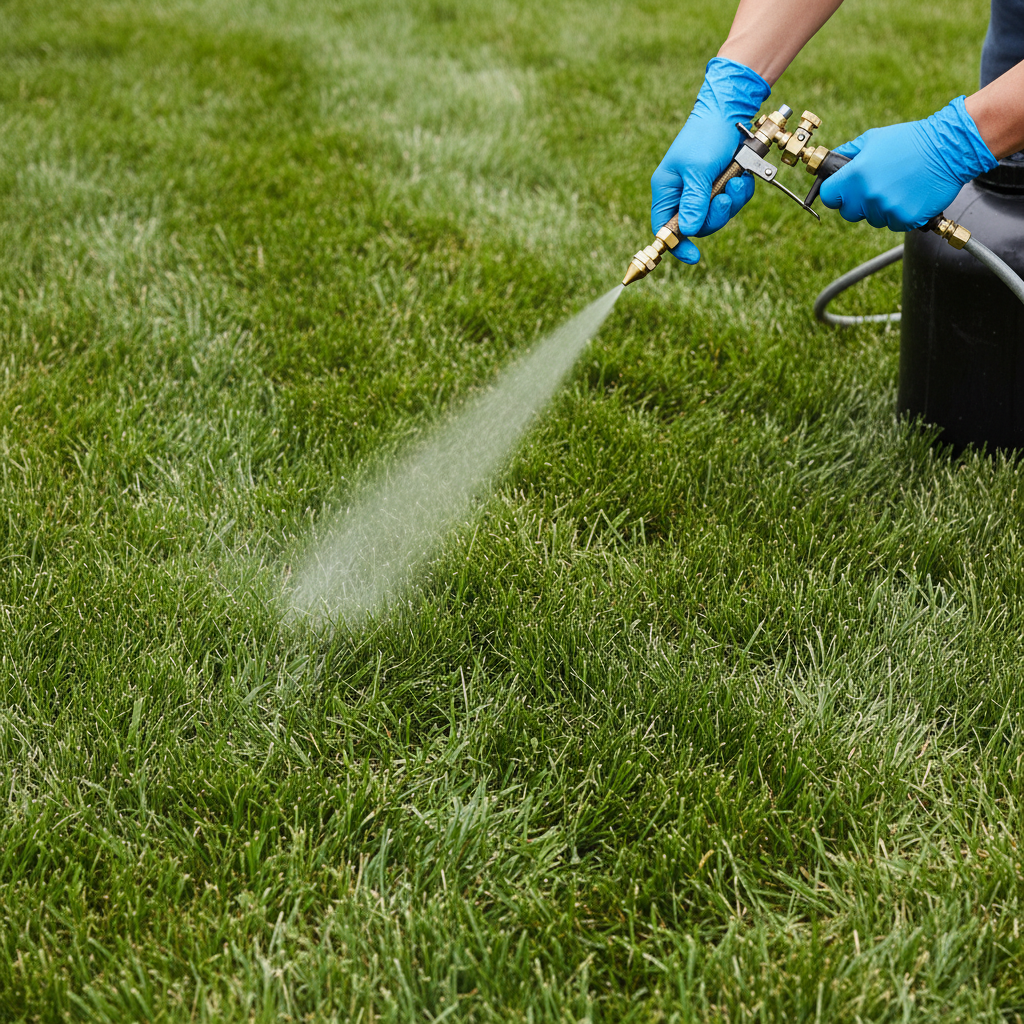
Using targeted herbicides or natural remedies can effectively manage weed problems without damaging your grass. Understanding the specific needs of your lawn can help maintain its health while keeping weeds in check.
Conclusion
By dispelling these common myths, you can adopt more effective lawn care practices. With the right knowledge and techniques, maintaining a beautiful lawn becomes a manageable and rewarding task. Remember, a healthy lawn is not just about aesthetics but also environmental stewardship.