
Case Study: Transforming a McLennan County Yard with Eco-Friendly Practices
Introduction to Eco-Friendly Landscaping
In recent years, the push for sustainable living has extended beyond home interiors to the great outdoors. One such transformation occurred in a McLennan County yard, where eco-friendly practices took center stage. This case study explores how thoughtful changes turned a conventional yard into a sustainable oasis.
Assessing the Initial Landscape
Before the transformation, the yard was a typical suburban space with a manicured lawn, high water consumption, and little biodiversity. The homeowner desired a more environmentally friendly setup that would lower water usage and increase the yard's ecological value.
Identifying Key Challenges
The primary challenges included reducing water dependency, eliminating chemical fertilizers, and enhancing biodiversity. Addressing these concerns was crucial for creating a sustainable environment that could thrive year-round.
Implementing Eco-Friendly Practices
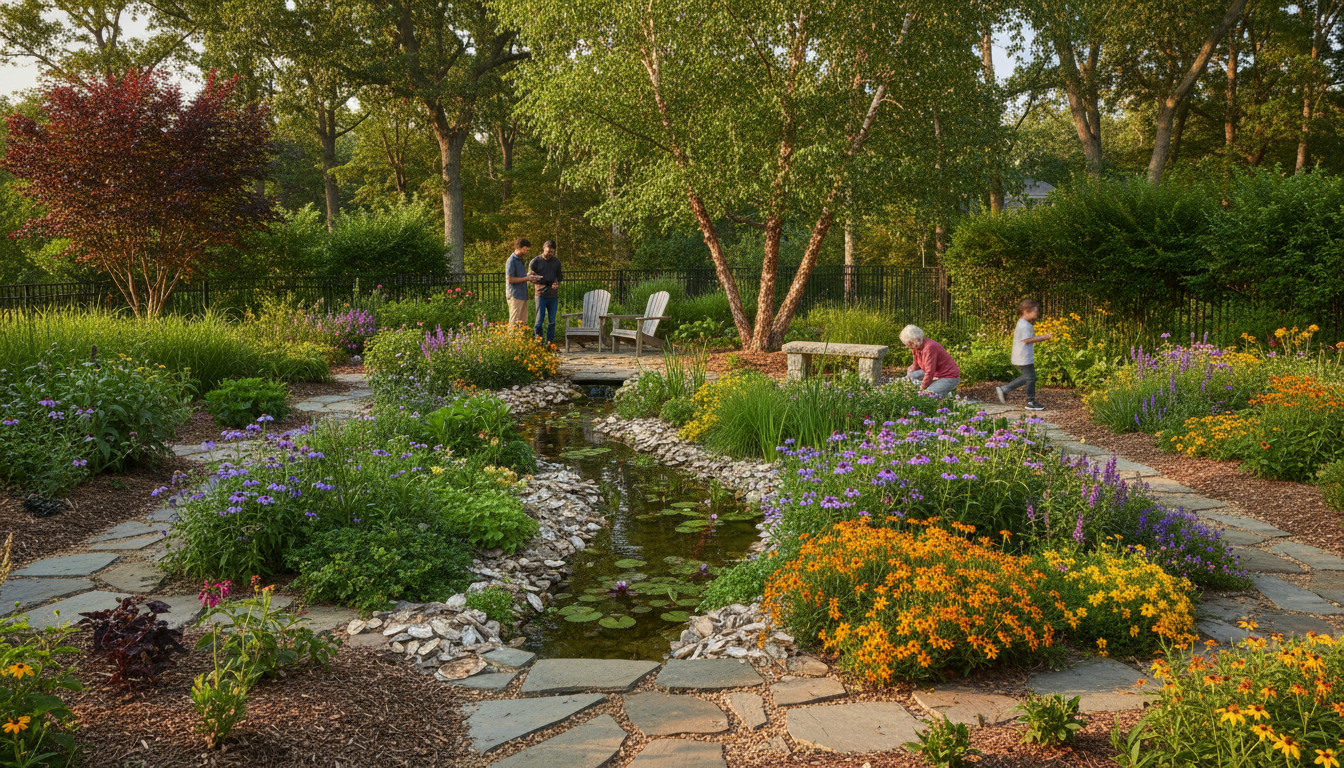
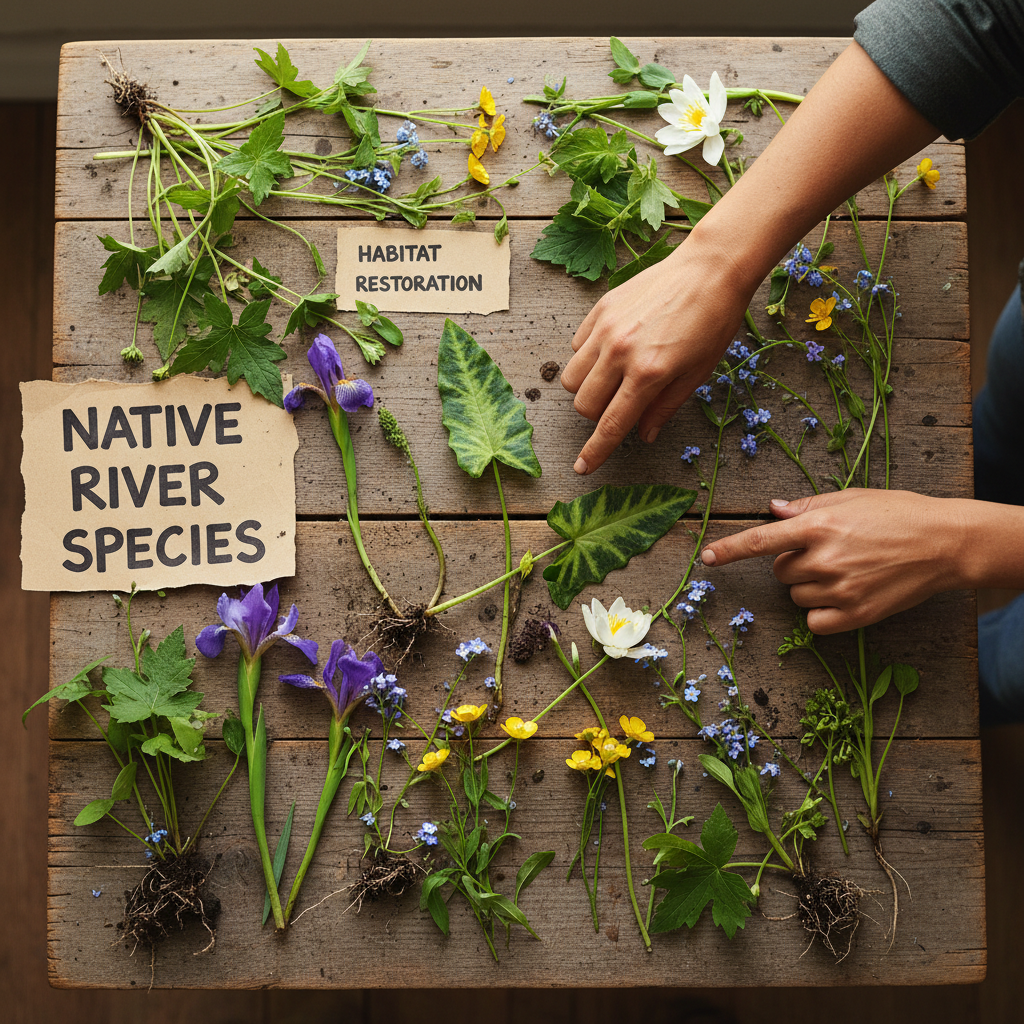
The transformation began with a shift in landscaping philosophy. By choosing native plants adapted to the local climate, the yard required less water and maintenance. This change not only reduced resource consumption but also provided a habitat for local wildlife.
Water Conservation Strategies
Water conservation was a top priority. Techniques such as rainwater harvesting and drip irrigation were implemented to minimize water waste. These methods ensured that the plants received adequate moisture without overuse.
Soil Health and Fertility
Improving soil health was essential for sustainable growth. The use of organic compost and mulch enriched the soil, promoting healthy plant growth and reducing the need for chemical fertilizers. This approach fostered a thriving, self-sustaining ecosystem.
Enhancing Biodiversity
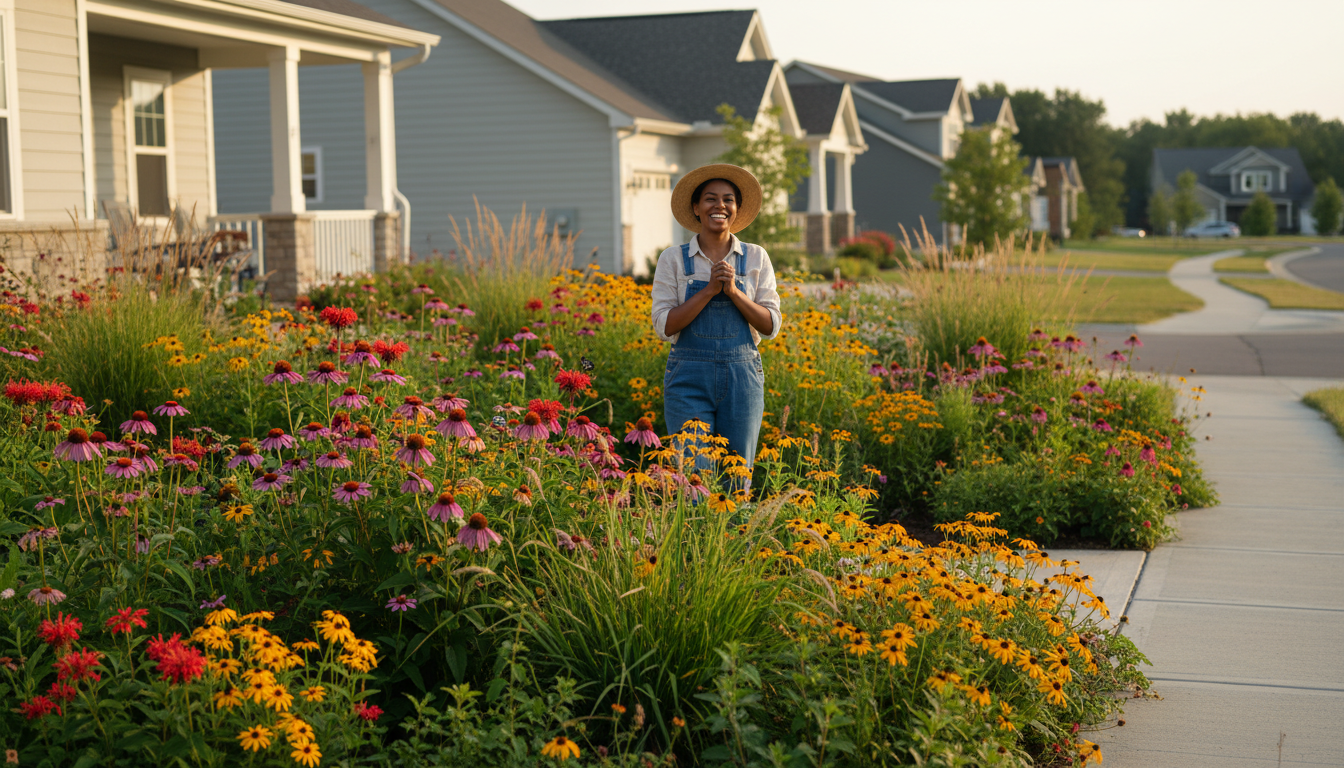
The introduction of diverse plant species was critical for attracting pollinators and other beneficial wildlife. A variety of flowering plants, shrubs, and trees were strategically planted to create a vibrant, dynamic habitat.
Creating Wildlife Habitats
To further encourage biodiversity, birdhouses and insect hotels were installed. These structures provided shelter and breeding grounds for local species, enhancing the ecological value of the yard.
Results and Benefits
The transformation yielded impressive results. The yard's water consumption dropped significantly, and the reliance on chemical fertilizers was eliminated. Moreover, the increased biodiversity created a lively, engaging space that supported local wildlife.
Community Impact
This eco-friendly makeover served as an inspiration for the community, showcasing the benefits of sustainable landscaping. Neighbors expressed interest in adopting similar practices, leading to a broader movement towards environmental stewardship in the area.
Conclusion
The McLennan County yard transformation highlights the positive impact of eco-friendly landscaping. By embracing sustainable practices, homeowners can reduce their environmental footprint while creating beautiful, resilient outdoor spaces. This case study serves as a testament to the power of thoughtful, eco-conscious design.